
Your brain is the house of your identity. Guard it, nourish it, challenge it, and it will serve you with clarity, presence, and purpose for as long as possible.
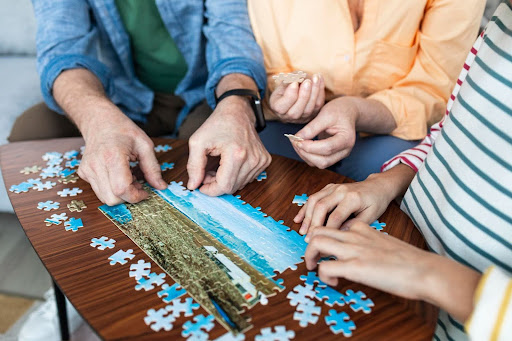
Written by Sylvia Poonen
Life and Transformation Coach
Approximate reading time: 7 minutes
TransformationWithin Coaching – We help you grow
“Awareness today. Wellness tomorrow. Prevention is power.”
Alzheimer’s Disease: What You Need to Know to Protect Your Brain and Future
Understanding Alzheimer’s
Alzheimer’s disease is a progressive brain condition that slowly damages and destroys nerve cells. As these cells die, the brain shrinks, memory weakens, thinking becomes harder, and everyday tasks begin to feel confusing or impossible. It is the most common cause of dementia worldwide.
Alzheimer’s is not a normal part of ageing. Age increases risk, but the disease is driven by specific biological changes inside the brain, including the buildup of abnormal proteins, inflammation, loss of communication between brain cells, and eventual cell death. These changes begin years before any noticeable memory loss, which is why early awareness and prevention are essential.
Alzheimer’s disease is rising worldwide, but it is not a hopeless diagnosis. With informed choices and proactive habits, the trajectory can still change, one decision at a time.
When Does It Start
Most people diagnosed with Alzheimer’s are older than 65, but the disease process often begins 10 to 20 years before the first noticeable symptom. That means the brain may already be changing silently in mid-life. A much smaller group of people develop early-onset Alzheimer’s, sometimes as young as their 40s or 50s, often linked to genetics.
Once symptoms appear, the condition progresses in stages over several years. Early recognition and lifestyle action create a better quality of life and stronger cognitive resilience.
Early Signs to Be Aware Of
- Forgetting recently learned information
- Struggling to plan, organise or solve everyday problems
- Getting confused while completing familiar tasks
- Losing track of dates, seasons or where you are
- Difficulty judging distance, reading or navigating spac
- Trouble finding the right words or following a conversation
- Misplacing items and being unable to retrace steps
- Poor or unusual decisions, especially with money or safety
- Losing interest in work, hobbies or social interactions
- Personality or mood changes such as irritability, suspicion or anxiety
One sign alone is not enough for concern. Patterns over time are what matter.
What Increases the Risk
Some risk factors cannot be changed, such as age, family history or certain genes. But many risk factors are within our control, which means the brain can be actively protected.
Higher risk is seen in people who have:
- High blood pressure, diabetes, or high cholesterol in mid-life
- A long-term history of smoking or excessive alcohol consumption
- Sedentary lifestyle and low physical fitness
- Chronic poor sleep or untreated sleep apnoea
- Long-standing depression or chronic stress
- Head injuries or repeated concussions
- Untreated hearing or vision loss
- Social isolation and low mental stimulation
- Obesity, unhealthy diet, or high processed food intake
- Long-term exposure to air pollution, pesticides, or toxic metals
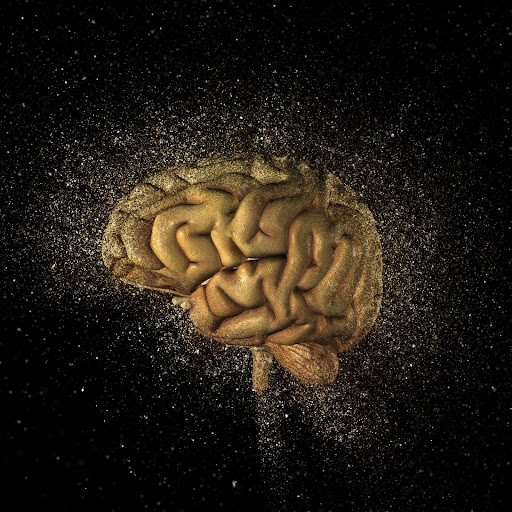
Research shows that addressing these risk factors can delay or even prevent a large percentage of dementia cases. Your brain health is far more influenced by lifestyle than once believed.
When Should You Seek Help
You should consult a healthcare professional when memory problems or behaviour changes start to affect daily life and are noticeably different from the person’s usual way of thinking, acting, or functioning.
Early diagnosis matters because:
- Some causes of memory loss are reversible
- Treatment and lifestyle changes are most effective when started early
- Early intervention leads to the best outcomes
- It gives time for family planning, safety and support
- It protects dignity and quality of life
The goal is not just diagnosis, but empowerment.
How Alzheimer’s Is Diagnosed
There is no single “Alzheimer’s test.” A proper assessment may include:
- A medical and neurological exam
- Memory and thinking tests
- Brain scans to rule out other causes
- Blood or spinal fluid tests that look for specific Alzheimer-related proteins
Diagnosis is a process. The earlier it happens, the more options become available.
Treatment and Support
There is currently no cure, but several strategies can slow decline, improve daily functioning, and protect remaining brain cells.
Treatment often includes:
- Medication to support memory and thinking
- Lifestyle programs for exercise, diet, and sleep
- Cognitive stimulation and social involvement
- Caregiver support and long-term planning
- Managing blood pressure, sugar, and cholesterol
- Emotional support for both the individual and family
A whole-person approach, not just medication, produces the best outcomes.
Science-Based Ways to Reduce Risk
Even with a family history, the brain can be strengthened. Research shows that a brain-healthy lifestyle can build “cognitive reserve,” which protects thinking ability even when changes begin in the brain.
Protective habits include:
- Regular physical movement and strength training
- A diet rich in whole foods, healthy fats, vegetables, berries and fish
- Learning new skills, reading, puzzles, music and language training
- Strong friendships and regular social interaction
- Deep, consistent sleep routines
- Managing stress through breathwork, prayer, journaling or mindfulness
- Protecting the head from injury
- Correcting hearing or vision loss early
- Avoiding smoking and excess alcohol
- Treating heart and metabolic conditions early
Final Word from TransformationWithin Coaching
At Transformationwithin Coaching, we believe this:
Healing begins with knowledge, prevention grows through action, and your future self depends on the habits you build today.
References
- Mayo Clinic Staff. “Alzheimer’s Disease: Symptoms and Causes.” Mayo Clinic, 2024.
- Alzheimer’s Association. “2024 Alzheimer’s Disease Facts and Figures.” Alzheimer’s Association Report, 2024.
- National Institute on Aging (NIA). “What Happens to the Brain in Alzheimer’s Disease.” U.S. Department of Health and Human Services, 2023.
- World Health Organization (WHO). “Dementia: Key Facts.” WHO Scientific Brief, 2023.
- Livingston et al. “Dementia Prevention, Intervention and Care.” The Lancet Commission, 2020.
- Jack et al. “NIA-AA Research Framework: Toward a Biological Definition of Alzheimer’s Disease.” Alzheimer’s & Dementia Journal, 2018.
- Sperling et al. “The Preclinical Stage of Alzheimer’s Disease: Definition and Diagnostic Criteria.” Alzheimer’s & Dementia Journal, 2011.
- Barnes & Yaffe. “The Projected Effect of Risk Factor Reduction on Future Alzheimer’s Disease Prevalence.” The Lancet Neurology, 2011.
- Norton et al. “Potential for Dementia Prevention Through Modifiable Risk Factors.” The Lancet Neurology, 2014.
- Erickson et al. “Physical Activity and Brain Health: Exercise as a Protective Factor for Cognitive Decline.” Nature Reviews Neuroscience, 2022.
- MIND Diet Study – Rush University Medical Center. “Mediterranean-DASH Intervention for Neurodegenerative Delay,” 2021.
- National Institute for Health and Care Excellence (NICE). “Diagnosis and Management of Dementia,” Clinical Guideline, 2023.
- Peters et al. “Hearing Loss as a Risk Factor for Dementia: Systematic Review and Meta-Analysis.” The Lancet Public Health, 2020.
- Walker et al. “Sleep Disturbance and Alzheimer’s Pathology.” Journal of Neuroscience, 2021.
- Fleming et al. “Traumatic Brain Injury and Late-Life Dementia Risk.” JAMA Neurology, 2022.
- Harvard School of Public Health. “Lifestyle and Brain Aging: Evidence on Diet, Exercise, and Cognitive Reserve,” 2023.
- National Institute of Neurological Disorders and Stroke (NINDS). “Current Treatments for Alzheimer’s Disease,” 2024.
- Alzheimer’s Research UK. “What Causes Alzheimer’s? The Role of Plaques, Tangles and Inflammation,” 2023.
Hi is bacopa mariner good to take
Only capsules are available in south africa
Wich other herb should I take
My memory is weak
Thnx
Is bacopa marner good to take? We domt get the herb here in south africa only capsules
Wich one is good to take.
N wich other herb is also good to take for poor memory? My memory has gotten weaker