
What Is High Blood Pressure?
High blood pressure, medically known as hypertension, is a condition where the force of blood pushing against the artery walls is consistently higher than the recommended healthy range.

By Sylvia Poonen
Transformationwithin Coaching – We create awareness and help you grow
⏱️ Approximate Reading Time: 6–7 minutes
- Blood pressure is measured in millimetres of mercury (mmHg) and recorded as systolic over diastolic pressure.
- Systolic is the pressure when the heart contracts.
- Diastolic is the pressure when the heart relaxes between beats.
High blood pressure is one of the most silent health conditions, often developing without symptoms for many years. The World Health Organization reports that more than 1.28 billion adults worldwide live with hypertension. Understanding blood pressure empowers individuals to make informed choices and adopt lifestyle habits that support long-term health and well-being.
Major Risk Factors for
High Blood Pressure
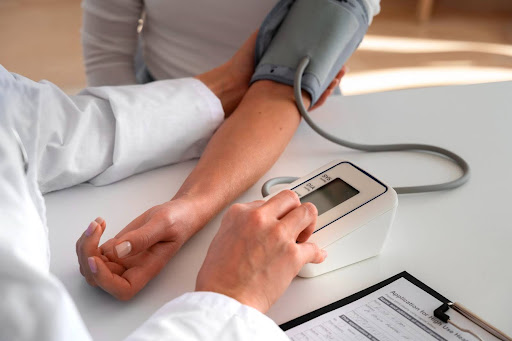
- Family History – Genetic predisposition increases hypertension risk.
- Age Over 40 – Blood vessels naturally stiffen with age.
- African or South Asian Ethnicity – Certain groups have a higher biological tendency toward hypertension.
- High Salt Intake -Excess sodium increases blood volume and pressure.
- Sedentary Lifestyle – Low activity weakens the heart and circulation.
- Obesity – Extra weight strains the heart and alters blood pressure regulation.
- Smoking – Nicotine damages blood vessels and increases arterial stiffness.
- Chronic Stress – Long-term stress elevates hormonal responses.
- Excess Alcohol -Heavy drinking harms the heart and raises blood pressure.
- Kidney Disease or Diabetes -These conditions impair fluid and hormonal balance.
Lifestyle Factors That Influence Blood Pressure
These daily habits can increase cardiovascular strain:
- Poor sleep quality
- A diet high in processed foods
- Low potassium intake
- Frequent sugar spikes
- Dehydration
- Hormonal imbalances
- High caffeine intake
- Low magnesium intake
- Lack of sunlight and vitamin D
- Emotional suppression and chronic stress
How High Blood Pressure Harms the Body
Hypertension quietly damages multiple organs over the years of elevated pressure.
- Thickens the Heart Muscle – The heart works harder and becomes less efficient.
- Damage Kidney Filters – Filtration structures weaken and lose function.
- Weakens Blood Vessels – Arteries stiffen and sustain long-term injury.
- Increases Stroke Risk – Vessels can burst or become blocked.
- Causes Silent Mini-Strokes – Unnoticed blockages impair memory and brain function.
- Harms the Eyes – Retinal vessels are damaged, risking vision changes.
- Reduces Brain Blood Flow – Cognitive performance, focus, and memory decline.
- Accelerates Cognitive Decline – Chronic vessel damage increases dementia risk.
- Causes Erectile Difficulties in Men – Restricted blood flow affects sexual function.
- Raises Heart Attack & Sudden Death Risk – Weakened arteries and a strained heart increase the likelihood of severe cardiac events.
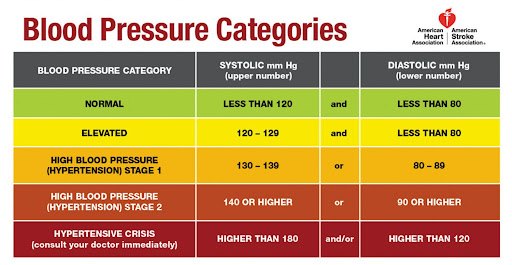
General Guidelines for Blood Pressure by Age Group
Teens (13–18 years)
112–128 systolic / 66–80 diastolic
Adults (18–39 years)
- Males: 119/70 mmHg
- Females: 110/68 mmHg
Adults (40–59 years)
- Males: 124/77 mmHg
- Females: 122/74 mmHg
Adults (60+ years)
- Males: 133/69 mmHg
- Females: 139/68 mmHg
General Clinical Definition – Normal adult blood pressure: below 120/80 mmHg.
Science-Backed Strategies to Support Healthy Blood Pressure
These habits are supported by research from global medical and public-health organisations:
- Reduce Salt to One Teaspoon Per Day – Lowers fluid retention and vascular pressure.
- Increase Potassium-Rich Foods – Supports sodium balance and vessel relaxation.
- Walk at least 30 Minutes Daily – Improves circulation and strengthens the heart.
- Lose 5% of Body Weight – Reduces cardiovascular strain significantly.
- Practice Slow Breathing – Five minutes twice daily lowers stress hormones.
- Drink 2–3 Litres of Water Daily – Supports kidney and cardiovascular function.
- Improve Sleep Quality – Restorative sleep regulates blood pressure.
- Reduce Caffeine if Sensitive – Prevents temporary pressure spikes.
- Increase Magnesium Intake – Promotes muscle and vessel relaxation.
- Limit Alcohol – Protects the heart and reduces vascular strain.
Little-Known Facts About High Blood Pressure
These evidence-based facts highlight the deeper impact of hypertension:
- Hypertension often begins years before symptoms.
- Blood pressure rises naturally between 6 and 10 a.m.
- High pressure accelerates brain shrinkage.
- Arterial stiffening makes each heartbeat harder.
- Hypertension lowers nitric oxide production.
- Chronic stress can raise pressure as strongly as salt.
- One night of poor sleep can raise systolic pressure.
- The gut microbiome influences vascular tension.
- Tiny retinal arteries thicken with high pressure.
- Post-menopause, women have a higher risk than men.
- Pain temporarily elevates blood pressure.
- Dehydration increases blood concentration and resistance.
- Early kidney damage can occur with normal blood tests.
- Excess screen time disrupts nighttime blood pressure.
- Hypertension interacts with insulin resistance.
- Some individuals experience high pressure only at night.
- Low magnesium reduces medication effectiveness.
- Hypertension reduces reproductive blood flow.
- Garlic, ginger, cinnamon, and turmeric support vessel relaxation.
- Mild dehydration increases aldosterone and sodium retention.
High blood pressure is silent, common, and dangerous, but it is also manageable. Understanding the condition, recognising the risks, and adopting evidence-based lifestyle habits can greatly reduce long-term health complications. TransformationWithin Coaching is committed to empowering individuals with accurate, science-based information that supports healthier hearts, stronger bodies, and more informed lifestyle choices.
Legal Disclaimer
The information provided by the author and Transformationwithin Coaching is intended solely for educational, informational, and awareness purposes. It is not medical advice, diagnosis, treatment, or a substitute for professional healthcare services.
While every effort has been made to ensure the accuracy and scientific reliability of the content, medical knowledge evolves, and information may change over time. Neither the author nor Transformationwithin Coaching makes any warranties, express or implied, regarding the completeness, accuracy, or applicability of the material to any individual’s health situation.
Readers should not use this information to diagnose or treat any medical condition or to delay seeking professional medical advice. Always consult a qualified healthcare provider, doctor, or specialist for personalised medical guidance, especially if you have existing health conditions, take medication, experience symptoms, or are considering changes to your diet, exercise, or treatment plan.
The author and Transformationwithin Coaching assume no responsibility or liability for any loss, damage, injury, or adverse outcome resulting from the use or misuse of the information provided in this publication, on the website, or in any related materials.
Participation in any health, wellness, or lifestyle practices described in this content is voluntary and done at your own risk. Individuals should consider their personal health circumstances and consult licensed professionals when necessary.
By accessing or using this information, you acknowledge and agree that Transformationwithin Coaching and the author are not liable for any actions taken based on this material and that all decisions regarding your health remain your personal responsibility.
REFERENCES
- American Heart Association / American College of Cardiology. “2025 AHA/ACC/AANP/AAPA/ABC/ACCP/ACPM/AGS/AMA/ASPC/NMA/PCNA/SGIM Guideline for the Prevention, Detection, Evaluation and Management of High Blood Pressure in Adults.” Hypertension. 2025 Oct; 82(10):e212-e316. DOI:10.1161/HYP.0000000000000249. PubMed+1
- American Heart Association. “High Blood Pressure (Hypertension).” Heart.org. Accessed 2025. www.heart.org
- European Society of Hypertension. “2023 ESH Hypertension Guideline Update: Bringing Us Closer Together Across the Pond.” ACC.org. February 5 2024. acc.org