
Why Communication is Key for Better Parenting and Children
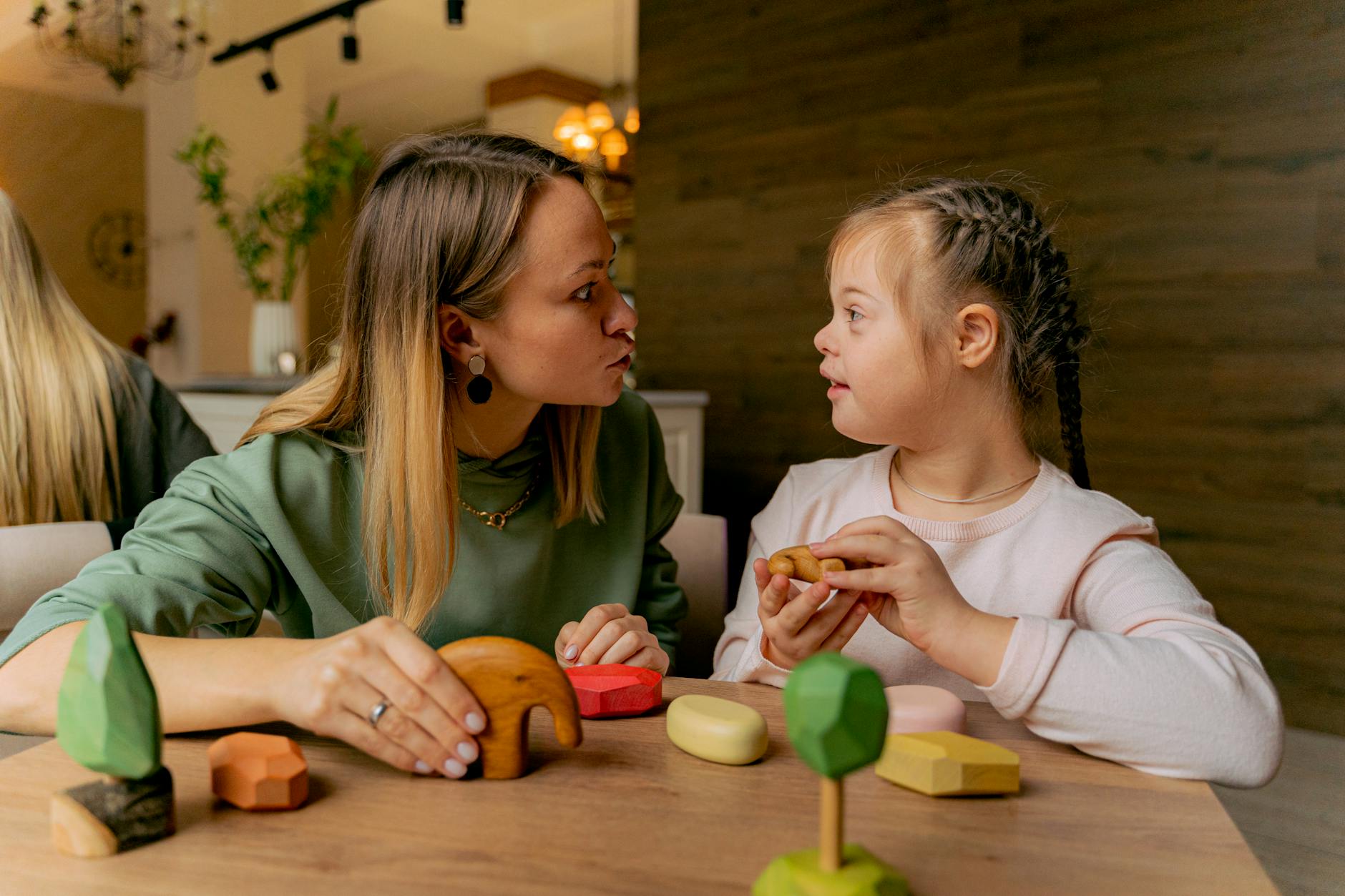
Effective communication is the cornerstone of healthy relationships, particularly between parents and children. Parents who engage in open, empathetic communication help nurture their child’s emotional and mental well-being. The impact of communication extends beyond the immediate family dynamics to influence academic success, emotional health, and social relationships. Scientific research underscores that children whose parents maintain strong communication bonds are more resilient, better at handling stress, and less likely to engage in risky behaviors.
Children learn how to navigate the world, express themselves, and build relationships largely through communication with their parents. As children grow, the ability to maintain open lines of communication can significantly improve their social, emotional, and academic outcomes.
According to the South African Human Sciences Research Council (HSRC), effective family communication positively correlates with higher self-esteem, better academic performance, and reduced mental health issues in adolescents.
The Harvard Family Research Project states that children with involved parents who communicate effectively are 50% more likely to succeed academically and socially
The Power of Parent-Child Communication
Communication isn’t just about talking — it’s about connection, safety, and emotional presence. When parents create a safe space to listen and be heard, children thrive — emotionally, mentally, and socially.
🧠 Grow Emotional Intelligence –
Talking through feelings teaches children how to name, express, and manage their emotions — a skill that protects mental health for life
💡 Strengthen Problem-Solving –
Open dialogue encourages children to think critically, make decisions, and build responsibility and resilience.
🔒 Build Trust –
Open, non-judgmental conversations make children feel safe, valued, and more willing to share their inner world.
Types of Communication in Parenting
Parenting communication is multifaceted — it’s not just what you say, but how you say it, what you don’t say, and how you make your child feel. “Children don’t need perfect communication — they need intentional, present, and patient communication.”
🤝 Non-Verbal Communication
Sometimes, what’s unsaid speaks loudest. Body language, facial expressions, and gestures convey love, safety, or frustration
Example: A warm hug or gentle hand on the shoulder expresses support.
Key Fact: Over 80% of communication is non-verbal, and children are especially sensitive to these cues.
🗣️Verbal
Communication
Words matter. Your tone, volume, and choice of words shape how your child feels and understands the world.
Example: “I’m proud of you” builds self-worth and motivation.
👂 Active
Listening
True connection starts with listening. When you pause and really hear your child, they feel seen and validated
Example: “You seem upset about school — do you want to talk about it?”
👍 Positive
Reinforcement
Celebrate effort and progress, not just outcomes. This builds internal motivation and emotional resilience
Example: “You did a great job managing your homework today!
How Transformationwithin Empowers Parents Through Online Coaching
Parenting isn’t about perfection — it’s about growth, connection, and calm leadership. Our online coaching equips you with practical tools rooted in neuroscience, attachment theory, and emotional intelligence.
🌱 Guided Growth™ Video Journeys
Step-by-step reflective sessions to help you heal your own childhood wounds and parent with empathy, insight, and calm authority.
❤️ Heart-to-Home™ Connection Rituals
Weekly bonding activities and emotional safety-building rituals to strengthen trust and open communication — no scripts, just real connection.
🗣️ Emotional Language Decoder™
Learn to read your child’s silent emotional cues and behaviors, helping you respond wisely and prevent shutdown, rebellion, or emotional withdrawal.
🔄 The Reset & Repair Method™
Bounce back from conflict with grace. Rebuild emotional bridges after yelling, meltdowns, or miscommunication
🎶 Tone Matters™
Master the neuroscience of tone. Learn how your voice affects your child’s nervous system — and how to use it to create calm and connection.
🏡 Safe Space Setup™
Create a home where children feel safe to open up about tough topics like bullying, peer pressure, fears, or failure.
💬 No-Fault Listening Framework™
Respond without blame, shame, or lectures. This method disarms defensiveness and invites honest communication.
💡 Triggers & Transformation Toolkit™
Identify your parenting triggers, understand your emotional reactions, and shift from reactivity to regulation.
🚧 Boundary Without Burnout™ Series
Set firm, loving boundaries that invite respect — without power struggles, guilt, or exhaustion.
Because when you transform within, you raise connected, resilient kids — and become the calm, confident parent they need.
🔊 Tone of Voice and Its Impact on Communication – Your tone matters more than your words.
😌 Why Tone Matters: Tone of voice is a powerful emotional signal. The way you speak can shape how your child feels, reacts, and communicates
- Calm & Supportive → Builds trust, safety, and openness
- Harsh or Dismissive → Shuts down communication and sparks fear or resentment
😊 Warm vs. Harsh Tone: Children are more likely to express themselves when they feel safe.
A warm, encouraging tone invites connection — while a sharp or angry tone creates emotional distance.
💖 Empathy in Tone: Using an empathetic tone during hard conversations communicates: “I see you. I hear you. I’m here for you.”
This builds emotional security and strengthens your bond.
Key Fact: According to the American Academy of Pediatrics,
Children who experience warm, empathetic tone in daily communication show healthier emotional development than those exposed to hostile or disengaged tone
💬 How Poor Communication Causes Family Struggles
When communication breaks down, connection does too.
❌ The Consequences of Miscommunication: Poor or unclear communication can lead to conflict, confusion, and emotional pain in the home.
Here’s What It Can Cause:
- 😢 Emotional Distress – Children may feel ignored, misunderstood, or emotionally distant
- 😠 Behavioral Problems – Lack of clarity or inconsistent boundaries can lead to defiance, withdrawal, or acting out.
- 💔 Damaged Relationships – Without open, honest conversations, trust erodes — and the parent-child bond weakens.
Key Reminder:
Effective communication is the foundation of a strong relationship. When you listen with empathy and speak with clarity, your child feels seen, safe, and supported.

The Role of Open Communication in a Child’s Struggles
When children feel heard, they feel safe.
Why it Matters:
- Safe Expression – Kids need to know they can talk about anything — without fear of judgment or punishment.
- Less Stress, More Support – When children talk openly, they’re less likely to bottle up anxiety, sadness, or fear.
- Catch Problems Early – Open communication helps spot issues like bullying, academic stress, or emotional struggles before they escalate.
- Stronger Coping Skills – Talking things through builds emotional intelligence, problem-solving, and lifelong resilience.
Key Fact: Adolescents with emotionally responsive parents are 40% less likely to experience mental health challenges in their teen years – National Institute of Mental Health, 2020
The Impact of Poor Communication on a Child’s Life
When communication breaks down, every part of a child’s development can suffer.
🚫 What’s at Risk:
- Emotional Health – Without open dialogue, children may feel isolated, anxious, or emotionally overwhelmed.
- Social Skills – Lack of communication at home can lead to poor peer interactions, bullying, or social withdrawal.
- Academic Struggles – Family disconnection increases stress and reduces motivation, affecting learning and focus.
- Mental Health Risks – Children without emotional outlets are more likely to develop anxiety, depression, and low self-worth.
Key Fact: Children with limited parent communication face a 50% higher risk of emotional and behavioral issue — University of Stellenbosch Study
Strategies for Enhancing Communication with Your Child
Actionable ways to strengthen your connection through everyday conversations:
⏰ Set Aside Dedicated Time – Schedule regular moments to talk—daily or weekly—about their thoughts, feelings, and experiences.
🚫 Create a Judgment-Free Zone – Stay calm and open, so your child feels safe to speak without fear of criticism.
❓ Ask Open-Ended Questions – Instead of “Did you have a good day?”, try “What was something that made you smile today?”
📵 Be Fully Present – Put down the phone and make eye contact. Your undivided attention speaks volumes.
💖 Validate Their Feelings – Let your child know it’s okay to feel what they’re feeling—even if you see things differently
Key Fact: Children who have regular one-on-one time with parents are 60% more likely to develop strong emotional intelligence. — Journal of Adolescent Health
The Lifelong Benefits of Effective Communication
✔️ Trust
✔️ Emotional resilience
✔️ Confidence
✔️ Life-long connection
Our Programmes
Our coaches provide comprehensive interventional support for students through both group and individual program options.
Get In Touch
Reach out to learn more about how we can help, or if you have any questions or concerns