
Grief
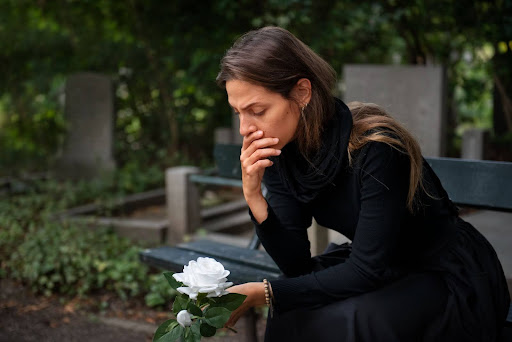
The festive season often paints pictures of joy, laughter, and reunion. But for many people, it also shines a spotlight on what is missing. Loved ones who are gone, traditions that have changed forever, and memories that now carry pain instead of comfort. Grief does not pause for holiday decorations. In fact, it often intensifies during this season because society expects happiness while the heart may be mourning.
By Sylvia Poonen / December 22, 2025
TransformationWithin Coaching
Approximate reading time: 6 Minutes
During the festive season, grief can feel even more isolating. Seeing others celebrate can unintentionally deepen feelings of loss. This is why human connection is especially important during this time. A phone call, a visit, or a simple message that says “I’m thinking of you” can provide comfort that words alone cannot fully express.
This season, make space for those who are grieving. Reach out intentionally. Sit with them, listen without fixing, and remind them they are not forgotten. Science consistently shows that social support helps regulate emotional pain, reduces stress responses, and supports emotional and physical healing. Grief shared becomes grief softened.
LONELINESS

A Silent Killer
In Plain Sight
Loneliness is not always about being alone. It is about feeling unseen. Crowded rooms do not guarantee a connection. Ironically, loneliness often becomes more painful during the festive season. While the world appears busy and joyful, those who feel disconnected can experience a deeper sense of invisibility.
Older adults are particularly vulnerable. As children grow up and form their own families, aging parents may quietly experience emotional neglect. Many elderly parents feel forgotten, unloved, or left behind, even though they never voice it. A visit, a shared meal, or a meaningful conversation can restore dignity, belonging, and emotional safety.
Loneliness is not simply a feeling of sadness. It is a serious health risk. Research confirms that chronic loneliness and social isolation significantly increase the risk of early death. The impact on health is comparable to major risk factors such as obesity and smoking.
Including someone in a family gathering, checking in on a neighbour, or inviting an elderly parent into everyday moments can be profoundly life-giving. Social connection is one of the strongest predictors of long-term health, resilience, and longevity.
FORGIVENESS
Releasing Pain Without Reopening Wounds

Unforgiveness is another silent burden that intensifies during the festive season. Family gatherings, old memories, unresolved conflict, and past wounds can resurface unexpectedly. Holding onto resentment may feel protective, but science shows it comes at a cost to both mental and physical health.
Research demonstrates that forgiveness is associated with lower levels of anxiety, depression, anger, and chronic stress. People who practise forgiveness often experience improved emotional regulation, better sleep, lower blood pressure, and improved overall well-being. Forgiveness helps calm the nervous system and move the body out of survival mode.
Forgiving someone does not mean excusing harmful behaviour. It does not mean forgetting what happened. It does not mean allowing someone back into your inner circle. Forgiveness is about releasing the emotional grip that the past has on your present.
Every time you replay a painful memory, your brain and body relive the experience as if it is happening again. Stress hormones rise, muscles tense, and emotional wounds reopen. Forgiveness interrupts this cycle. It allows the nervous system to stand down and gives your heart permission to heal.
Many people struggle to forgive parents, children, former spouses, friends, in-laws, bosses, or coworkers. You may believe that someone does not deserve forgiveness. Science shows that forgiveness is not about what the other person deserves. It is about what you deserve. Peace. Freedom. Healing.
Someone once asked me how it can be so easy for me to forgive. My answer was simple and honest. None of us is perfect. We all make mistakes. And at some point in our lives, we all need forgiveness.
Forgiveness does not erase the past. It honours the lessons the past taught you. It allows you to carry wisdom forward without carrying pain. Making peace now protects your future health, emotional well-being, and inner calm.
REGRET

When Unspoken Words Become a Heavy Burden
Regret is one of the most painful emotional burdens a person can carry. Unlike grief, which comes from loss, regret comes from what we did not do. The call we postponed. The apology we delayed. During the visit, we assumed we would have time later. Regret often surfaces after loss, when there is no longer an opportunity to make things right.
Many people live with regret because they never made peace with someone who hurt them. Others regret not spending more time with family or aging parents, assuming there would always be another holiday, another visit, another conversation. Some carry deep sorrow because they did not recognise the signs that someone close to them was suffering from intense loneliness or depression. When that person passes on, regret can feel unbearable.
The brain replays missed opportunities repeatedly, keeping the nervous system stuck in a loop of self-blame and emotional pain.
The truth is that most regret is not born from bad intentions. It is born from busyness, fear, unresolved pain, or the belief that there will always be more time. Regret teaches us, often too late, that connection matters more than pride, and presence matters more than perfection.
The good news is that regret can be reduced by action in the present. Research shows that making amends, expressing care, and strengthening relationships while people are still alive significantly lowers long-term emotional distress. Even small acts of reconnection can bring peace and closure.
Let regret be a messenger, not a prison. If someone comes to mind as you read this, reach out now. Call them. Visit them. Send the message you have been holding back. Sit with aging parents and listen to their stories. Check in on the friend who has gone quiet. You may never know how much your presence could mean to them, or how much peace it could bring to your own heart.
One day, what we will regret most is not what we said wrong, but what we never said at all.
Final Reflection
Choosing Connection, Compassion, and Healing
The festive season magnifies everything. Joy becomes louder, but so does pain. This season invites us to slow down, reach out, and soften toward one another.
Call someone who may be alone. Visit aging parents who long for presence more than presents. Send a message of encouragement to someone who is grieving. Choose forgiveness not because it is easy, but because your heart deserves freedom.
Healing does not begin with perfection. It begins with connection, compassion, and courage. When we show up for others, we quietly heal ourselves, too. TransformationWithin Coaching
We help you grow.
Disclaimer
This article is intended for educational and informational purposes only and does not constitute medical, psychological, legal, or professional advice. The content is not a substitute for consultation with a qualified healthcare, mental health, or other professional. Readers are encouraged to seek appropriate professional support for their individual circumstances. The author and Transformationwithin Coaching accept no liability for actions taken based on the information provided.
References
World Health Organization. (2023). Social isolation and loneliness as a global public health concern.
Centers for Disease Control and Prevention. (2023). Health effects of social isolation and loneliness.
U.S. Surgeon General. (2023). Our epidemic of loneliness and isolation.
Harvard T.H. Chan School of Public Health. (2022). Social connection and long-term health.
American Psychological Association. (2022). Grief, stress, and emotional wellbeing.
National Institutes of Health. (2023). Prolonged grief, rumination, and health outcomes.
Johns Hopkins Medicine. (2021). The health benefits of forgiveness.
Frontiers in Psychology. (2023). Forgiveness and mental health outcomes.