
This content is for educational purposes and not a substitute for medical or psychological diagnosis or treatment. If you are struggling, please reach out to a qualified mental-health professional.
Written by Sylvia Poonen
Life and Transformation Coach
Approximate reading time: 8 minutes
TransformationWithin Coaching – We help you grow
“Awareness today. Wellness tomorrow. Prevention is power.”
Many people live with symptoms such as anxiety, fatigue, overthinking, emotional numbness, chronic pain, people-pleasing, procrastination, or substance use without realizing that these may be survival responses rooted in past experiences that were never processed as trauma.
Research clearly shows that many forms of trauma go unrecognized because they do not fit the common stereotype of “trauma” (war, accidents, or assault). In reality, the nervous system responds to any experience that overwhelms a person’s ability to cope or feel safe — even if it appears “ordinary” from the outside. [1]
🌱 What Is Trauma?
According to the American Psychological Association (APA), trauma is defined as an emotional response to a deeply distressing or disturbing event that overwhelms one’s ability to cope. Their Dictionary of Psychology further describes trauma as any disturbing experience that results in significant fear, helplessness, confusion, or other disruptive emotions that continue long after the event has passed. [2]
Bessel van der Kolk, one of the leading trauma researchers, describes it simply: “Trauma is not the story of something that happened back then. It is the residue that lives on inside you.” [3]
Science Insight – Trauma changes how the brain functions.
It can lead to increased activation of the amygdala (the brain’s fear and alarm centre), alterations in the hippocampus (which processes memory and focus), and reduced functioning of the prefrontal cortex (responsible for rational thought, decision-making, and impulse control). [4][5][6]
Chronic stress and unresolved trauma also raise inflammation, elevate blood pressure, disturb hormone balance, and increase the risk of anxiety and depression. In short, trauma reshapes both mind and body. [7]
💔 The Different Faces of Trauma
Trauma does not look the same in everyone. Every experience is unique. Experts group trauma into several main types to help us understand its different expressions:
- Acute trauma: A single distressing event such as an accident, assault, or loss.
- Chronic trauma: Repeated exposure to distress such as ongoing abuse, neglect, or conflict.
- Complex trauma: Multiple, long-term, and often relational traumas, usually beginning in childhood.
- Developmental trauma: Early disruption in safety, attachment, or nurturing during childhood.
- Vicarious trauma: Emotional impact that arises from witnessing or supporting others who are suffering.
Research from the landmark Adverse Childhood Experiences Study (ACE Study) confirms that repeated or early trauma can alter brain development, immune function, and long-term health outcomes. [8]
💧 Big T and small t Trauma — The Seen and the Unseen Wounds
Not every wound comes from disaster. Some are carved quietly over time through silence, criticism, or shame. Psychologists often distinguish between Big T and small t trauma. Both can shape how safe a person feels in the world and their relationship with others.
Big T Trauma — The Shattering Events
These are major, life-threatening, or deeply violating experiences that overwhelm a person’s sense of safety and control. Examples include:
- Sexual abuse or assault, especially by someone trusted.
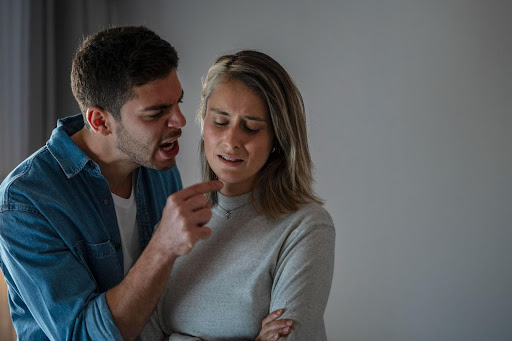
- Physical violence or domestic abuse.
- Severe accidents, disasters, or near-death experiences.
- Witnessing violence, death, or serious injury.
- Being forced to hide family secrets or protect an abuser.
- Betrayal by a spouse, teacher, mentor or religious leader.
- Traumatic medical procedures or hospitalisations
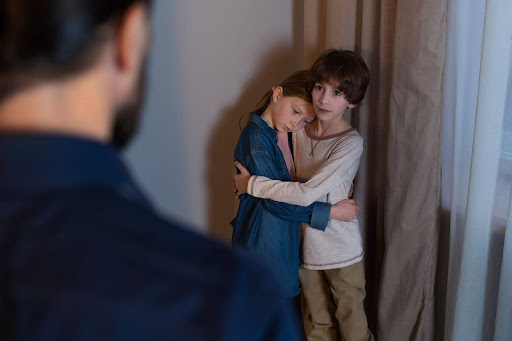
Big T trauma may break a person’s sense of safety in a single moment, yet its effects can last for many years. Research confirms that such experiences often cause intrusive memories, hypervigilance, and emotional detachment. [9]
Small t Trauma — The Invisible Cuts That Accumulate
Small “t” trauma may not threaten your life, but it does threaten emotional safety, self-worth, and belonging. Examples include:
- Growing up with an emotionally detached, critical or unpredictable parent.
- Being the target of gossip, ridicule, or public humiliation. (Public humiliation can occur even in front of just one person.)
- Being shamed or punished for mistakes as a child or adult.
- Living in a home where affection was conditional on achievement.
- Carrying guilt, rejection, or constant fear of disapproval.
- Repeated bullying, exclusion, or comparison to siblings or peers.
- Being made responsible for a parent’s emotions or secrets.
When small t becomes Big T
When small traumas repeat over many years, they can develop into complex trauma or what is sometimes called C-PTSD, characterised by fear, emotional numbing, and hypervigilance. A child who grows up under constant criticism, neglect, or emotional abuse learns to stay alert as a survival strategy. The brain adapts to protect itself but struggles to rest and trust. Trauma is never a sign of weakness; it is evidence of endurance and survival.
🧠 How Trauma Shapes a Person’s Life
The Impact of Trauma on Children
According to the Harvard Center on the Developing Child, prolonged exposure to stress hormones during childhood disrupts brain architecture and increases the risk for both mental and physical illness later in life. [11] Common effects include:
- Emotional instability, fear, or anxiety.
- Trouble focusing or learning.
- Aggression, withdrawal, or regression (such as bed-wetting or clinginess).
- Low self-esteem or excessive guilt.
- Difficulty forming secure relationships or trusting adults.
Children are still developing emotionally and neurologically, so traumatic stress leaves deep imprints. When fear is used to control behaviour — such as saying, “I’ll leave you behind,” or “I’ll call the boogeyman,” — the child’s brain releases high levels of cortisol and adrenaline. Over time, this teaches the nervous system that home is unsafe, even when no physical harm occurs. As the child grows, this may manifest as anxiety, nightmares, people-pleasing, avoidance of conflict, or difficulty trusting authority.
The Impact of Trauma on Adults
Unresolved trauma in adulthood can surface as physical illness, emotional volatility, or relational conflict. Some adults unconsciously recreate old coping mechanisms from childhood, such as procrastination, isolation, or oversleeping, because these behaviours once helped them feel safe in chaotic environments.
What Trauma Can Lead To
Trauma affects every dimension of well-being — mental, emotional, physical, and social. Its effects may appear months or even years later, shaping how a person thinks, feels, and functions.
- Emotionally: Trauma can lead to chronic anxiety, panic attacks, fear, or emotional instability. Many survivors experience depression, emotional numbness, or emptiness after prolonged stress. Unresolved trauma can progress to Post‑Traumatic Stress Disorder (PTSD) or Complex Post‑Traumatic Stress Disorder (C-PTSD), where reminders continually reactivate the body’s alarm system.
- Psychologically: Survivors often struggle with guilt, shame, low self-worth, or difficulty trusting others. Some overwork, overachieve, or people-please to feel safe or valued. Others withdraw socially or lose confidence in relationships.
- Physically: Trauma activates stress hormones that can lead to fatigue, headaches, body pain, gut problems, and sleep disturbances. Chronic cortisol elevation increases inflammation and contributes to heart disease, autoimmune disorders, and reduced immunity. The body literally “keeps the score,” holding tension long after the conscious mind wants to move on. [7]
- Behaviorally: Trauma can result in substance use, compulsive eating or spending, and self-soothing behaviours. It may also appear as anger, irritability, or emotional shutdown, depending on whether a person’s nervous system tends to fight, flee, or freeze. Research from the ACE Study found that people with four or more adverse childhood experiences were four to seven times more likely to develop alcohol or drug dependence later in life. [8]
💔 Common Traumas People Often Do Not Recognise as Trauma
- Emotional Neglect in Childhood – Growing up in a home where love or affection was withheld; parents provided food and shelter but ignored emotional needs; being told “You’re too sensitive” or “Stop crying or I’ll give you something to cry about.”
- Constant Criticism or Perfectionistic Parenting – Being told “You’re never good enough” or having achievements minimised; living with high parental expectations and fear of failure; feeling love was conditional on performance.
- Chronic Rejection or Bullying – Being excluded, mocked, or humiliated by peers, siblings, or teachers; being the “family scapegoat”; repeatedly being left out of social groups.
- Living in an Unpredictable or Volatile Home – Growing up with shouting, silent treatment, or frequent fights; walking on eggshells, never knowing what mood a parent would be in; living with a parent who has an addiction or untreated mental illness.
- Parentification (Role Reversal) – Being forced to take care of siblings or manage adult responsibilities too early; being a parent’s emotional confidant (“You’re the only one I can talk to”); feeling responsible for keeping the family calm or together.
- Emotional or Psychological Abuse – Being gaslighted, blamed, or manipulated; having feelings mocked or minimised; being told you’re “crazy,” “dramatic,” or “lazy.”
- Witnessing Parental Conflict or Violence – Seeing one parent hit, insult or demean the other; being forced to take sides or comfort the victim afterward. According to the National Child Traumatic Stress Network (NCTSN), witnessing domestic violence can produce the same PTSD symptoms as being physically abused.
- Silent Treatment or Emotional Withdrawal – Being ignored, excluded, or stonewalled by caregivers or partners; “love withdrawal” as punishment.
- Academic or Religious Pressure – Fear of disappointing teachers, coaches, or religious leaders; being shamed publicly for mistakes or failure to conform.
- Medical or Surgical Trauma – Being hospitalised or undergoing invasive procedures, especially as a child; feeling helpless, restrained, or ignored by medical staff.
- Sudden Loss or Abandonment – Death of a loved one, divorce, breakup, or a parent leaving without explanation; repeated relocations or school changes that disrupted attachments.
- Cultural, Racial or Religious Discrimination – Being mocked for identity, accent, skin-tone, or faith; feeling invisible or unsafe because of who you are.
- Financial Insecurity or Childhood Poverty – Growing up not knowing if there will be food, electricity, or safety; witnessing parents’ financial stress, eviction, or debt.
- Being Overlooked or Invisible – Being the “easy child” who never caused problems and therefore received little attention; constantly being told “You’re fine” or “Others have it worse.”
- Trauma from Emotional Invalidation in Adulthood – Partners or friends consistently minimise feelings; workplaces where bullying, exclusion, or favouritism are ignored.
Hidden Coping Patterns and Uncommon Behaviours
Modern trauma science confirms that trauma does not always appear as visible distress. Many survivors develop subtle, everyday coping behaviours that once ensured safety but later limit growth. Examples include:
- People-pleasing or excessive niceness (the “fawn” response), where a child learns that pleasing others avoids rejection or punishment.
- Chronic procrastination or indecision caused by a conditioned freeze response when action feels unsafe.
- Oversleeping, fatigue, or emotional withdrawal that protect the body from overwhelm.
- Spending long periods alone in bathrooms or bedrooms as a form of avoidance and self-soothing.
- Over-explaining, apologising or justifying every action due to fear of conflict or misunderstanding.
- Compulsive scrolling, binge-watching or overspending to numb emotions or regain control.
- Financial self-sabotage such as under-earning or giving away money, often linked to learned helplessness and unworthiness.
- Irregular eating patterns or digestive issues that reflect emotional dysregulation.
- Hyper-productivity or over-scheduling as a way to avoid stillness where old pain might surface.
- Fear of calm or rest because peace feels unsafe after years of hyper-arousal.
- Perfectionism and harsh self-criticism rooted in conditional love and early rejection.
- Over-talking or controlling the environment to create an illusion of safety.
- Emotional detachment or numbness as a protective form of dissociation.
- Staying awake late at night because the body remembers it was safest when others slept.
- Over-analysing or zoning out due to hyper-vigilance and cognitive over-control.
- Research in polyvagal theory by Stephen Porges and Deb Dana explains that the traumatised nervous system often misinterprets calmness as danger. Healing requires retraining the body to recognise safety again. [12]
💖 Toward Healing
Neuroscience shows that every act of kindness, every moment of calm breathing, and every experience of safety can begin to rewire the brain toward resilience. Healing does not mean erasing the past. It means teaching the body that it is safe to live in the present.
Transformationwithin Coaching — We help you grow
Written by Sylvia Poonen, Founder of Transformationwithin Coaching
Scientific References & Resources — Verified by TransformationWithin Coaching
- Bremner, J.D., Vythilingam, M., Vermetten, E., et al. (2003). Traumatic stress: effects on the brain. PMC. https://www.ncbi.nlm.nih.gov/pmc/articles/PMC3181836/
- APA Dictionary of Psychology. (n.d.). “Trauma.” American Psychological Association. https://dictionary.apa.org/trauma
- van der Kolk, B. (2014). The Body Keeps the Score: Brain, Mind, and Body in the Healing of Trauma. Viking.
- Arnsten, A.F.T. (2009). The effects of stress exposure on prefrontal cortex. PMC. https://www.ncbi.nlm.nih.gov/pmc/articles/PMC4244027/
- Yehuda, R., Hoge, C.W., & McFarlane, A.C. (2024). Post-traumatic stress disorder: The role of the amygdala. Frontiers in Psychiatry. https://www.frontiersin.org/articles/10.3389/fpsyt.2024.1356563/full
- Traumatic Stress Wales. (n.d.). “Trauma and the brain.” NHS Wales. https://traumaticstress.nhs.wales/children-and-young-people/trauma-and-the-brain/
- Miller, G.E., Chen, E., & Parker, K.J. (2011). Psychological stress in childhood and susceptibility to the chronic diseases of ageing: Moving toward a model of behavioural and biological mechanisms. Psychological Bulletin, 137(6), 959–997.
- Felitti, V.J., Anda, R.F., Nordenberg, D., et al. (1998). Relationships of childhood abuse and household dysfunction to many of the leading causes of death in adults: The Adverse Childhood Experiences (ACE) Study. American Journal of Preventive Medicine, 14(4), 245–258.
- National Child Traumatic Stress Network (NCTSN). (n.d.). “Witnessing domestic violence.” https://www.nctsn.org/what-is-child-trauma/trauma-types/domestic-violence
- Verywell Mind. (2013). “How trauma and PTSD change the brain.” https://www.verywellmind.com/what-exactly-does-ptsd-do-to-the-brain-2797210
- Harvard Center on the Developing Child. (n.d.). “Toxic Stress.” https://developingchild.harvard.edu/science/key-concepts/toxic-stress/
- Dana, D. (2018). Polyvagal Theory in Therapy: Engaging the Rhythm of Regulation. W.W. Norton & Company.
Legal Disclaimer — Transformationwithin Coaching
The information provided in this publication is for educational and informational purposes only. It is not intended to replace professional medical, psychological, or therapeutic advice, diagnosis, or treatment.
Readers are encouraged to seek guidance from a qualified healthcare provider, licensed mental health professional, or counsellor regarding any condition or concern that requires medical or psychological attention. Never disregard or delay seeking professional help because of information contained in this material.
While every effort has been made to ensure the accuracy and reliability of the information presented, Transformationwithin Coaching and the author, Sylvia Poonen, make no representations or warranties, express or implied, about the completeness, accuracy, or suitability of the content. All information is provided in good faith and based on current scientific and psychological research available at the time of writing.
By reading this material, you acknowledge that Transformationwithin Coaching and the author shall not be held liable for any loss, harm, or damage — emotional, physical, or financial — arising directly or indirectly from the use or misuse of the information herein.
Use of this publication constitutes acceptance of this disclaimer.